
Singapore is fast. The city’s tempo—work deadlines, long commutes, crowded MRTs and the pressure to perform—has made preventative, low-risk health strategies more relevant than ever. Traditional Chinese Medicine acupuncture, when delivered by qualified practitioners in a regulated acupuncture TCM clinic, can be a powerful component of a modern wellness toolkit. So let’s dive into what TCM acupuncture is. Let’s see the evidence, practical day-to-day benefits for Singapore living. By the end of it, you’ll know how to choose a reputable tcm acupuncture clinic (including why Guo Tai TCM is a trusted choice).
FAQs about TCM Acupuncture
Q: Is acupuncture safe?
A: Yes — when performed by trained practitioners using single-use, sterile needles and following WHO safety guidelines, acupuncture has a low rate of serious complications.
Q: What conditions does acupuncture help?
A: Strongest evidence: chronic pain (back, neck, osteoarthritis), chronic headache/migraine prevention, and relief of chemotherapy-related nausea. Other benefits include improved sleep and reduced anxiety for some patients.
Q: How many sessions will I need?
A: Varies. Acute issues: weekly sessions until resolved. Chronic or maintenance care: often 1–2 sessions per month, personalised by your practitioner.
What Is TCM Acupuncture?
The roots of Traditional Chinese Medicine and acupuncture
It’s beyond alternative medicine. Acupuncture is an integral part of Traditional Chinese Medicine (TCM), a system of medicine with philosophical and clinical roots going back millennia. Classic texts such as the Huangdi Neijing (the Yellow Emperor’s Inner Canon) lay out the theory of meridians, yin and yang, and the importance of balancing Qi (vital energy) for health. These ancient principles are still taught and referenced in modern TCM practice.
How acupuncture works with your Qi and meridians
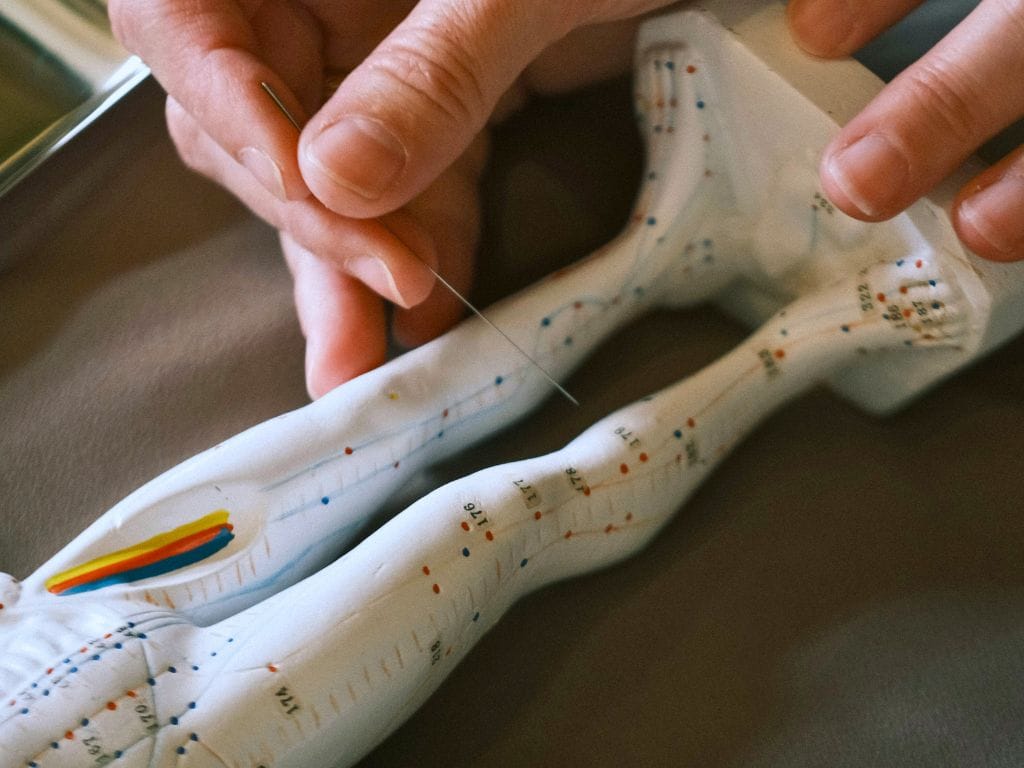
In TCM theory, the practice of acupuncture restores the smooth flow of Qi by stimulating specific points along meridians through the used of sterilised and disposable needles. Western science offers plausible, complementary explanations: needling can modulate the nervous system, change neurochemical activity (endorphins, serotonin), alter local blood flow and affect inflammatory mediators. While the language differs, both views point to an interaction between needling and physiological systems that can relieve symptoms and support recovery.
Why acupuncture remains relevant today
The effectiveness of acupuncture comes from three practical strengths: it is low-invasiveness, has a comparatively good safety profile when delivered by trained practitioners using single-use needles, and can be combined with conventional care for symptom relief and rehabilitation. For many Singaporeans looking for complementary approaches—stress reduction, better sleep, migraine relief, chronic pain management—tcm acupuncture in Singapore offers accessible, clinic-based solutions.

Why Singaporeans Are Turning to TCM Acupuncture
Rising stress levels in a fast-paced city
Work intensity, caregiving duties and urban living increase stress, which shows up as headaches, insomnia, high blood pressure and digestive disturbance. Many seek alternative medicine and non-pharmacological ways to manage these problems; acupuncture is commonly chosen because patients report rapid symptomatic relief and improved sleep and relaxation after sessions.
A natural complement to modern healthcare
Acupuncture increasingly serves as a complement to mainstream medicine—used alongside physiotherapy, counselling, or conventional medication. Large, well-designed trials and meta-analyses suggest moderate effectiveness of acupuncture in treating chronic pain conditions and headaches, making it a reasonable adjunct to standard care in many clinics and hospitals. For example, a landmark individual-patient meta-analysis found acupuncture had measurable benefit for back and neck pain, osteoarthritis, chronic headache and shoulder pain compared with usual care.
Preventive health as a growing priority
Singaporean patients are embracing prevention: regular acupuncture sessions—combined with lifestyle changes, diet, and herbal support—are seen as maintenance care to keep immunity up, improve energy and reduce the chance of recurrent problems. For people who prefer a non-drug approach to health maintenance, TCM acupuncture benefits are a big draw for Singaporeans looking for alternative medicine.
It’s time for better healing. Let’s get you started.

TCM Acupuncture Benefits for Daily Life
Stress relief and better sleep
Many people experience calming, parasympathetic activation after acupuncture—this can translate into lower perceived stress and better sleep. Reviews and clinical trials report improvements in anxiety and insomnia outcomes after acupuncture, making it popular for busy professionals seeking restorative downtime.
Boosting energy and immunity
Regular acupuncture treatments may support immune function by modulating inflammatory markers and stress hormones. That helps the body return to equilibrium after chronic stress. While “boosts immune system” is a shorthand patients use, clinical trials is exploring how acupuncture affects measurable immune parameters; used sensibly, it can be part of an immune-support plan (alongside diet, sleep and vaccination where appropriate).
Supporting pain management and mobility
A significant evidence base supports the effectiveness of acupuncture for treating several pain conditions for those seeking . Systematic reviews and meta-analyses—across chronic low back pain, osteoarthritis and some headache disorders—show acupuncture is more effective than usual care and, in many trials, better than sham controls. For treating chronic musculoskeletal pain with alternative medicine, acupuncture is commonly integrated with physiotherapy and exercise to restore movement.
Enhancing skin health and vitality
In Singapore’s humid urban climate, acupuncture combined with topical or herbal skin care is used for clearer complexion, reduced inflammation and improved skin circulation. While cosmetic benefits are often anecdotal or clinic-based, many patients report improved tone. Not to mention, they reported reduced stress-related breakouts and a “glow” after repeated sessions.
Key Acupuncture Points for Common Ailments
Note: below are general descriptions. A qualified acupuncture TCM clinic will individualise point selection to your pattern of imbalance.
– Acupuncture points for stress and anxiety
Commonly used points include Yintang (between the eyebrows), Shenmen (Spirit Gate, on the wrist), and GV20 (top of the head). Ear acupuncture (auricular) points are also used for immediate calming effects.
– Acupuncture points for digestion and gut health
Points such as ST36 (Zusanli), CV12 (Zhongwan) and SP6 (Sanyinjiao) are often chosen to regulate digestion, reduce bloating, and harmonise the spleen-stomach axis in TCM terms.
– Acupuncture points for headaches and migraines
For headaches, practitioners may use LI4 (Hegu), GB20 (Fengchi) and local scalp acupuncture points. Clinical trials have shown acupuncture to be effective for some types of chronic headache and migraine prevention.

Choosing the Right TCM Acupuncture Clinic in Singapore
What to look for in a TCM acupuncture clinic
- Qualified practitioners: look for registered TCM physicians or practitioners with recognised credentials and a proven clinical track record.
- Hygiene and safety: clinics should use single-use, sterile, disposable needles and follow WHO safety recommendations. That reduces infection risk and improves patient peace of mind.
- Evidence-informed practice: reputable clinics combine classical TCM diagnostics with awareness of modern clinical evidence and safety protocols.
- Clear communication: your practitioner should explain the likely benefits, limitations, and what to expect—this is part of informed consent.
The role of qualified physicians in treatment safety
Large prospective studies and safeguards emphasise that acupuncture performed by trained physicians is generally safe and associated with low rates of serious adverse events. In clinical practice, transparent consent and adherence to safety standards (WHO and local health boards) matter more than fancy equipment.
Why Guo Tai TCM is a trusted acupuncture clinic in Singapore
Established in 2008, Guo Tai TCM blends ancient theory with modern standards. The clinic’s panel of physicians is experienced in both classical acupuncture protocols and integrative practice—using proven safety measures such as disposable needles and individually tailored treatment plans. Guo Tai’s signature therapies (including integrated therapies that combine needling with infrared herbal cabins) are designed for urban wellness: stress relief, immunity support, pain management and better skin health. If you want an acupuncture TCM clinic that balances traditional rigour with modern safety and evidence awareness, Guo Tai TCM is built for that brief.
How to Incorporate TCM Acupuncture into Your Wellness Routine
What to expect from your first session
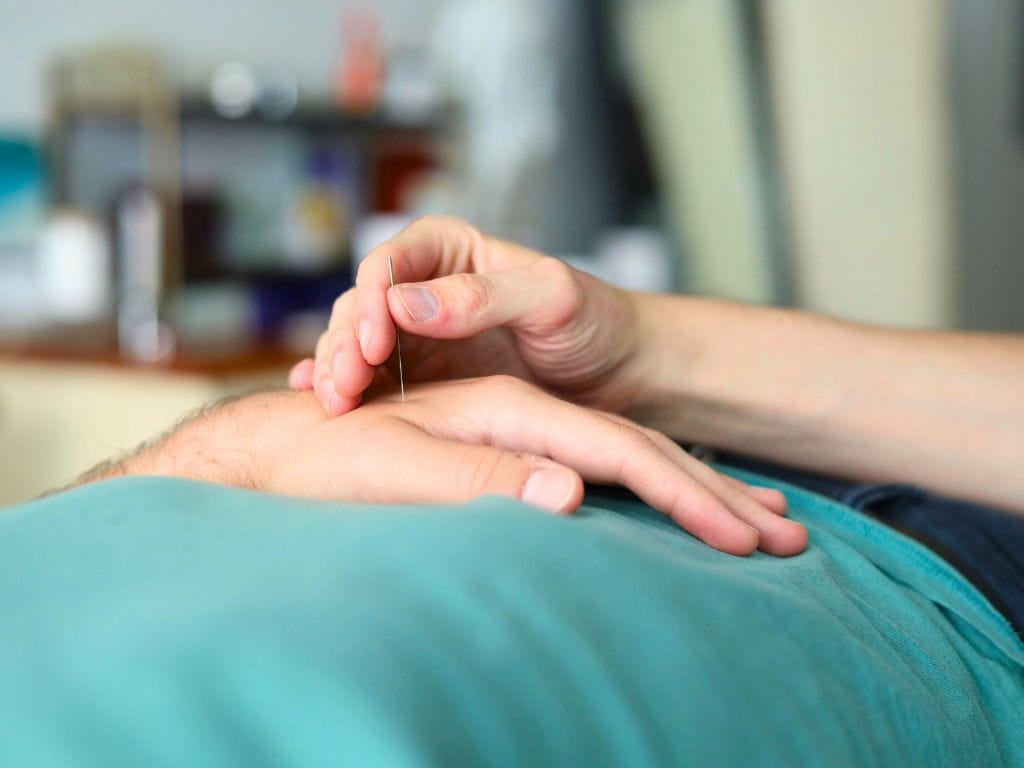
Expect a consultation that covers your medical history, lifestyle, and TCM diagnosis. Practitioners will examine tongue and pulse (classic TCM diagnostics) and discuss a treatment plan. The treatment usually involves gentle insertion of fine needles; sessions can last 30–60 minutes depending on your goals.
How often should you go for acupuncture?
Frequency depends on the problem. For acute flare-ups, sessions might be weekly until symptoms stabilise. For chronic conditions or preventative maintenance, 1–2 sessions per month is common. Your practitioner will advise based on response and goals.
Pairing acupuncture with other TCM therapies for holistic care
Acupuncture can be paired with herbal medicine, cupping, moxibustion, dietary advice and lifestyle coaching. Guo Tai TCM’s integrated approach means your practitioner can recommend a combination that targets immediate relief and long-term resilience.

The Evidence: What Clinical Trials and Reviews Say
It’s important to be candid: acupuncture research is complex. Large meta-analyses and trials indicate moderate, clinically meaningful effects for certain conditions, particularly chronic pain and some types of headache. A landmark individual-patient meta-analysis found acupuncture was beneficial for back and neck pain, osteoarthritis, chronic headache and shoulder pain compared with usual care.
Cochrane and other systematic reviews have found clear evidence for migraine and tension-type headache prevention and support for other pain syndromes, though quality and heterogeneity of trials vary.
For cancer-related symptoms (nausea and vomiting, for example), the National Cancer Institute and clinical guidelines note that acupuncture has the strongest evidence for relief of treatment-related nausea and some pain symptoms and may be used as part of symptom management. Patients are urged to inform their oncology team and choose accredited clinics.
Safety, Standards and What to Ask Before You Book
- Are needles single-use and disposable? (They should be.)
- Is the practitioner registered with the relevant local TCM board or recognised association?
- Do they follow infection-control practices?
- Do they have experience treating your particular condition (e.g. chronic migraine, musculoskeletal pain, post-operative nausea)?
- Can they work with your medical team (physician/oncologist) when needed
Experience the Benefits of TCM Acupuncture in Singapore Today at Guo Tai TCM
If you’re curious about how tcm acupuncture can fit into your life, consider a consultation at a reputable acupuncture TCM clinic (like us!). Guo Tai TCM pairs classical TCM wisdom (from the Huangdi Neijing tradition) with modern hygiene and evidence awareness. We deliver care that is compassionate, safe and tailored to urban living. Now, you can look forward to better sleep, reduced stress, improved movement and subtle skin benefits—
Make an appointment for a consultation to discuss your goals. We’ll help you see whether a personalised course of acupuncture and integrated TCM therapies is right for you.